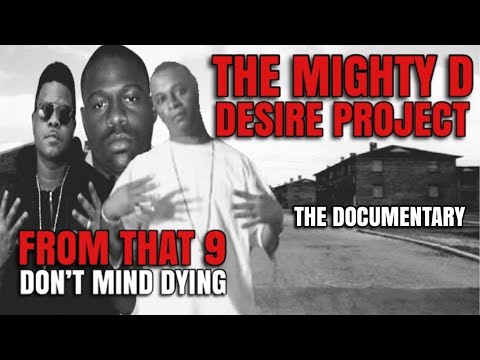
Desire opened in 1956 in the Upper 9th Ward, and for a time it was one of the largest housing projects in the entire country. It stretched across nearly 100 acres, with hundreds of two-story brick buildings and close to 1,860 apartments. Thousands of families lived there, making it a whole world of its own on the far downtown edge of New Orleans.
The location shaped everything about Desire. It sat boxed in between railroad tracks, canals, and industry, cut off from the rest of the city. There were few stores, few buses, and little of the investment other neighborhoods received. Because of that isolation, people often called Desire “the community that care forgot.” Life there could be hard, but the people made a home out of it anyway.
What Desire lacked in resources, it made up for in heart. Neighbors leaned on each other. Grandmothers raised whole blocks of children, churches anchored the community, and folks shared what little they had. Kids grew up playing in the courtyards and looking out for one another, and the sense of belonging was powerful. Out of Desire came musicians, athletes, ministers, and leaders, and the neighborhood produced a fierce, lasting pride.
Desire also carried heavy history. In the early 1970s it was the site of a well-known standoff involving the Black Panther Party and the police, a moment that put the neighborhood in the national news and became part of local memory. Through the civil rights years and after, Desire residents organized, spoke up, and fought for better conditions.
Like the other projects, Desire went through hard times during the drug era, and the buildings, poorly built to begin with, fell into serious disrepair. The city eventually decided the development could not be saved. Desire was torn down in stages in 1996, 1998, and 2001. Using a federal HOPE VI grant, a new mixed-income neighborhood was built in its place, known today as the Estates and Abundance Square.
The new homes look nothing like the old brick buildings, but the name Desire still carries weight. For the people who grew up there, it stands for survival, family, and a community that held together even when the rest of the city looked away.
Life in Desire ran on community. With so few outside resources, the people built their own. There were block clubs, church groups, youth programs, and mentors who made sure kids had somewhere to go and someone to answer to. Sports were huge, and games in the courtyards and on the neighborhood fields drew crowds and produced real talent. Music poured out of car speakers and open windows, and second lines and Mardi Gras traditions kept the culture strong.
The isolation that made Desire hard also made it tight. Everybody knew everybody. Families that lived there for two and three generations treated the whole neighborhood as one big extended household. That bond is why, even now with the old buildings long gone, people from Desire still find each other, still call themselves family, and still carry the name with pride wherever they land.
To this day, the word Desire means something specific to the people who lived it. It means a place the city tried to forget but the residents never did. It means a family that stuck together against the odds, and a pride that no demolition could ever erase from the Upper 9th Ward.
This page is here to honor that story. The families of Desire are spread across New Orleans and far beyond, but they stay connected through reunions, memories, and online groups that keep the history alive. The buildings are gone, but the spirit of Desire, and the pride of the Upper 9th Ward, still lives on, and this is a place to remember, reconnect, and pass it down to the next generation.
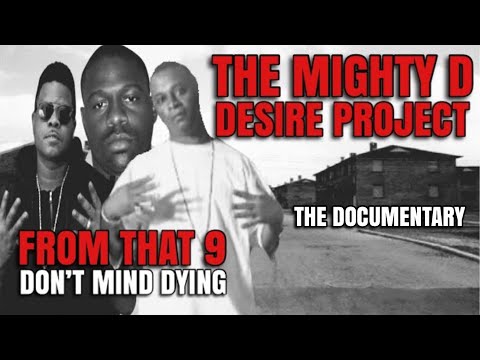
Desire — Video History