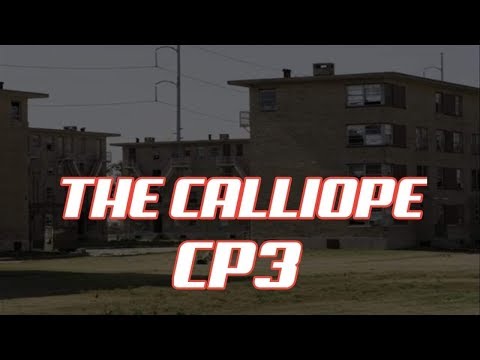
The Calliope was built between 1939 and 1941 in Central City, along Earhart Boulevard. Its official name is the B.W. Cooper Apartments, but almost nobody used it. To New Orleans it was the Calliope, said “Cal-ee-ope,” and to the people who lived there it was simply CP3 or “the Cal.”
It was one of the largest housing developments in the city. Block after block of brick buildings filled the neighborhood, home to thousands of families over the years. The Calliope was built for working people who needed a decent, affordable place to live, and for decades that is exactly what it was: a real community with corner stores, churches, schools nearby, and porches where neighbors knew each other by name.
Daily life in the Calliope was busy and close-knit. Grandmothers kept an eye on the whole block, kids ran between buildings until the streetlights came on, and everybody knew whose mama was whose. People shared food, shared rides, and showed up for each other at funerals and celebrations alike. Money was often tight, but the sense of belonging was strong.
The Calliope also left a giant mark on New Orleans culture. It helped shape the sound of the city, especially bounce and hip-hop, and produced artists and personalities whose names became known far past Louisiana. Second lines, block parties, and Carnival traditions were a normal part of the year. The neighborhood had a fierce pride and its own identity, and people repped the Calliope hard. That loyalty is still there today, long after the last building came down.
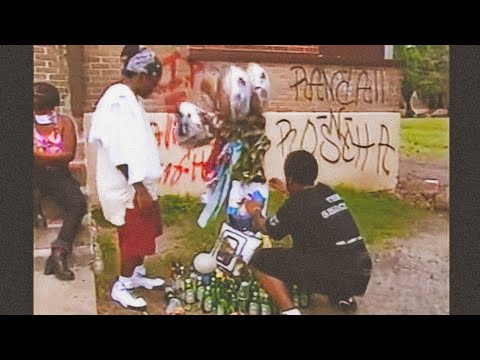
Like the other big projects, the Calliope carried a heavy reputation during the drug era of the 1980s and 1990s, and the rivalry between the Calliope and the Magnolia became part of local legend. The news often told only the hardest stories. But that was never the full picture. For the families who lived there, the Calliope meant cookouts, ballgames in the courtyard, church on Sunday, and looking out for one another when times were tight. It was home.
After Hurricane Katrina, the city moved to close and rebuild its old public housing. The Calliope buildings were taken down in stages, with the final demolition finishing in 2014. In their place the Housing Authority built a new mixed-income community called Marrero Commons, with modern apartments and townhomes on the same ground.
Uptown to the core, the Calliope had its own slang, its own style, and its own heroes. The courtyards were the center of everything, where dominoes were slammed on card tables, music drifted from open windows, and everyone from toddlers to grandparents shared the same few blocks. When people talk about the old Calliope today, they talk about the neighbor who fed the whole block, the coach who kept kids out of trouble, and the elders who set the tone. That is the part no demolition could ever take away.
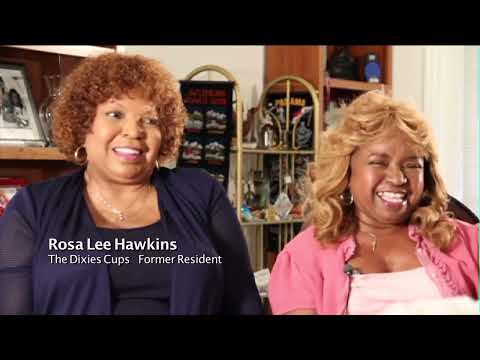
Every year, former residents come back together to celebrate that bond. Reunions, cookouts, and social media groups keep the Calliope family connected across the city and across the country, so the younger generation grows up knowing the history and the pride that come with the name.
New name, new buildings, but the story stays the same for the people who came up there. Ask them where they are from and they will not say Marrero Commons. They will say the Calliope, and they will say it with pride. This page is here to keep that history alive, to honor the families who built the community, and to give the Calliope a home online where its people can remember, reconnect, and hold reunions for years to come.
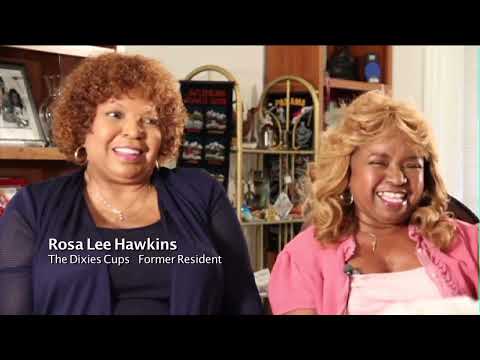
Calliope (B.W. Cooper) — Video History